Are Slab Leaks Covered by Insurance in Brea, California?

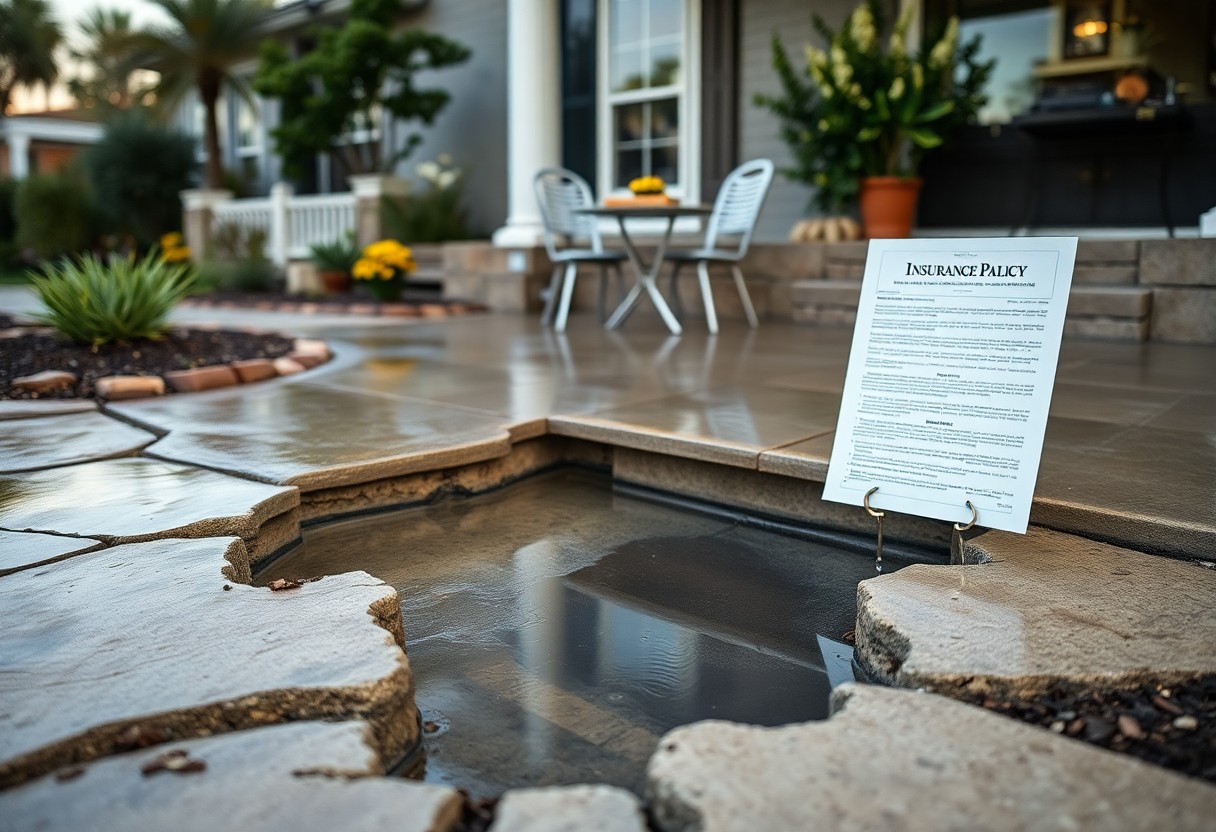
Over time, homeowners in Brea, California, may face the alarming issue of slab leaks, which can lead to extensive damage and costly repairs. You might be wondering if your homeowner’s insurance policy will cover these incidents, providing the financial relief you need. Understanding your coverage can save you from unexpected expenses and stress, so it’s important to carefully review your policy. This blog post will guide you through the details of insurance coverage for slab leaks, ensuring you’re well-informed about your rights and responsibilities as a homeowner in Brea.
Key Takeaways:
- Most homeowners’ insurance policies typically cover slab leaks, but coverage can vary based on the specific terms and conditions of the policy.
- It’s important for homeowners in Brea, California, to review their insurance policy and consult with their insurance provider to understand the coverage details and any associated deductibles.
- Preventive maintenance and quick response to signs of leaks can help minimize damage and potentially improve the likelihood of insurance coverage for repairs.
The Mechanics of Slab Leaks
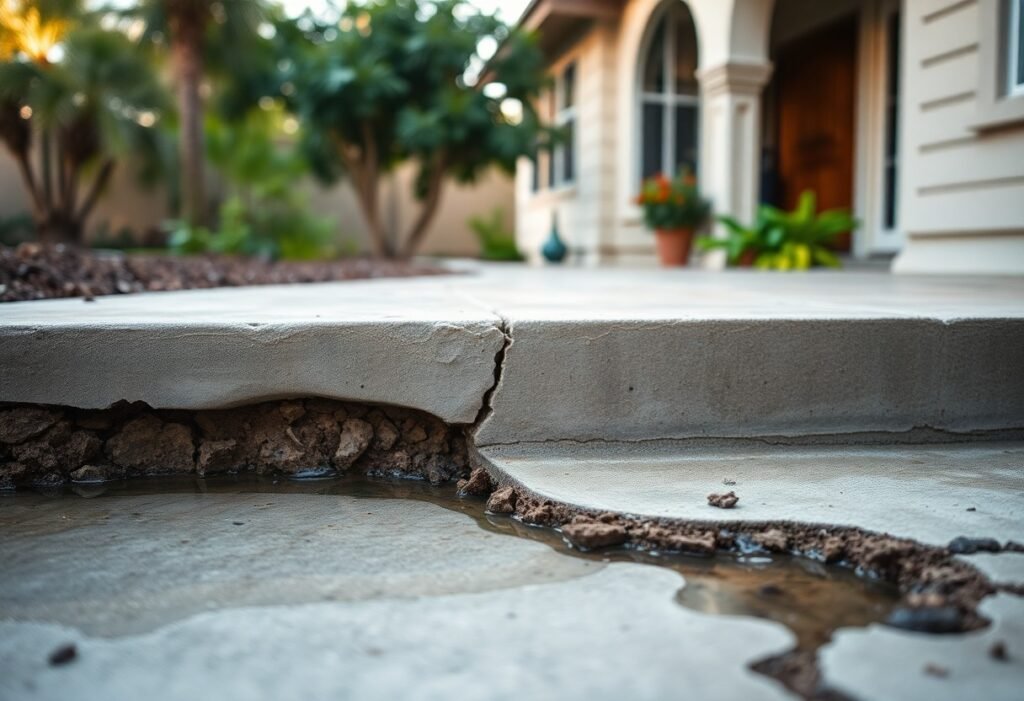
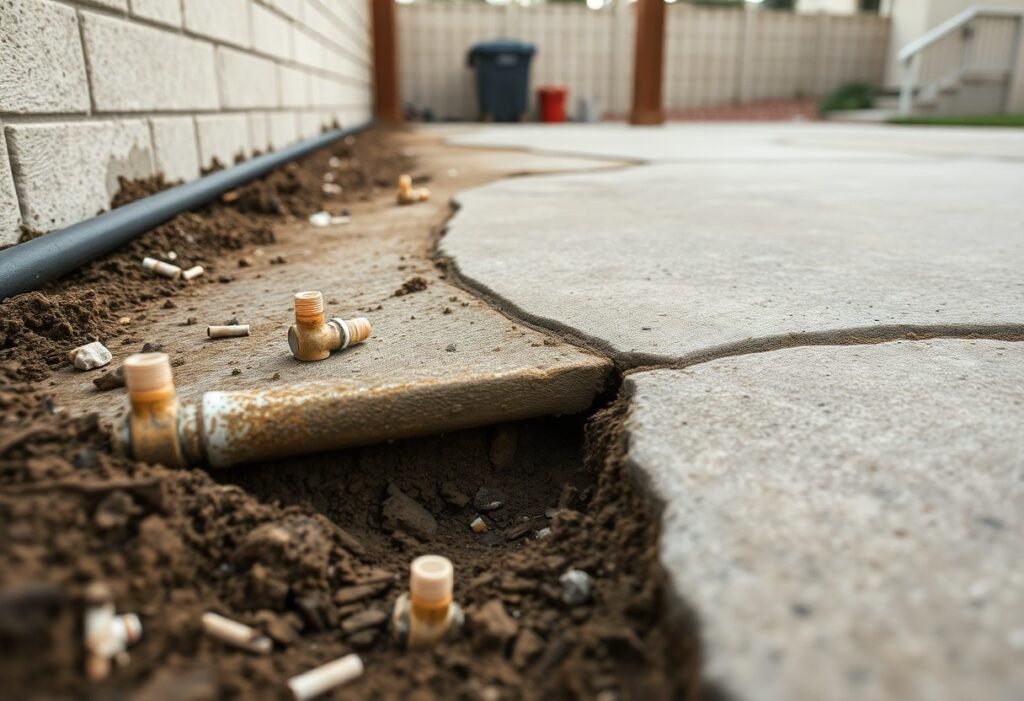
Slab leaks occur when water pipes beneath the concrete foundation of your home develop cracks or leaks, potentially leading to significant damage if not addressed promptly. The combination of shifting soil, pipe corrosion, and high water pressure can stress the plumbing system, causing pipes to fail. As water seeps out from these leaks, it can create moisture buildup that affects the structural integrity of your home and facilitate mold growth, which can pose health risks.
What Causes Slab Leaks?
Several factors contribute to slab leaks, with the most prevalent being poor installation of plumbing systems, corrosion from the water, and earth movement due to shifting soil. In Brea, the region’s expansive clay soil can expand and contract, which adds pressure to underground pipes. Additionally, fluctuating water pressure can exacerbate wear on older piping, leading to leaks over time.
Identifying the Signs of a Slab Leak
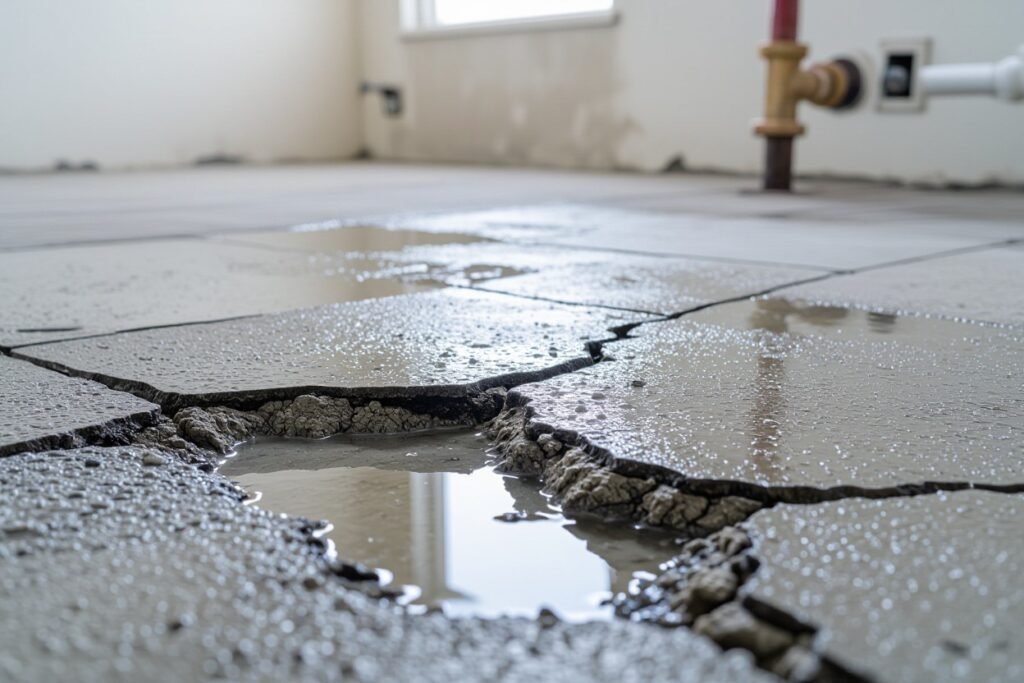
Recognizing the signs of a slab leak early on can save you from extensive repairs and higher costs. Common indicators include the sound of running water when all fixtures are off, damp spots on the floor, an increase in your water bill, or the presence of mold in areas near the foundation. If you detect any of these symptoms, it’s imperative to consult a plumbing professional immediately to assess the situation.
Being observant of these signs is vital; for instance, if you notice hot or cold spots on your floor, it can signal that water is escaping from a pipe below. Similarly, if your water bill has spiked without any change in usage, suspect a leak. Addressing these issues swiftly allows for more straightforward repairs before they escalate into considerable problems, ultimately protecting your home’s foundation and maintaining its value.
Navigating Insurance Policies in California
Understanding your insurance policy in California requires careful examination of the terms and clauses specific to slab leaks. You may find differing coverage depending on the specifics of your plan. Homeowners often feel unsure whether to approach their insurance provider first. If you find yourself in the situation of questioning your coverage, check California. I think I have a slab leak. Do I call insurance first? for insights and advice from others in your situation.
Standard Coverage vs. Exclusions
Insurance policies generally offer standard coverage for water damage caused by sudden and accidental incidents, which can encompass slab leaks. However, many policies contain specific exclusions for damages resulting from a lack of maintenance or gradual leaks. Ensure you read the terms carefully to understand the scope of your coverage and any potential gaps.
Special Considerations for Brea Residents
Brea homeowners face special considerations due to the prevalent geology in the area. Potential soil shifts and aging infrastructure can increase the likelihood of slab leaks. Additionally, if your home is located in a neighborhood with older plumbing systems, your risk may be higher. Check with your local insurance agent for tailored advice based on Brea-specific factors that might influence your policy.
In Brea, the proximity to various environmental factors including earthquake risk and subsidence can further complicate coverage. Earthquakes can induce ground movement, which may lead to plumbing issues, including slab leaks. While your policy may cover a slab leak that arises from an identifiable accident, if it’s linked to geological activity, you might find yourself at a disadvantage unless you have specifically added endorsements for such events. Consult your insurance provider to gain clarity on how these factors could affect your claims.
Claiming Coverage: Step-by-Step
To successfully claim coverage for a slab leak under your homeowners insurance, follow these steps. Start by promptly documenting the damage and any related repairs. Next, file your claim with your insurance provider. Be sure to communicate clearly and provide them with all necessary information. You’ll want to check your policy details closely and ask does homeowners insurance cover slab leak repair before submission. Collect everything you need to ensure a smooth process.
| Step 1: | Document the damage thoroughly. |
| Step 2: | File the insurance claim by providing detailed descriptions and photos. |
| Step 3: | Communicate with your insurance adjuster to facilitate the claim. |
| Step 4: | Review the settlement offer and negotiate if necessary. |
Documenting the Damage
Thorough documentation of the leak is necessary for a successful claim. Take clear photographs of the affected areas, including any visible damage to floors or walls, and record the extent of water damage. Engage a plumber to assess the issue and provide a written report detailing the cause and projected repair costs. This documentation serves as concrete evidence for your insurer, increasing your chances of receiving fair compensation.
Filing the Claim
Filing the claim typically involves filling out a claims form provided by your insurance company. Detailed descriptions of the leak’s impact, supplemented by your documentation, must be included. It’s advisable to reach out to your insurance provider directly to discuss the specific information required and ensure you are following the correct protocol. Providing thorough details can prevent delays and lead to a more favorable outcome.
During the claim submission process, you may encounter questions from your insurance representative. Be prepared to clarify any aspects of the damage or repairs that need further explanation. Following up consistently can help keep your claim on track and demonstrate your commitment to resolving the situation. If you feel overwhelmed, consider seeking assistance from a public adjuster who can advocate on your behalf and navigate the complexities of the claims process.
The Role of Home Maintenance in Leak Prevention
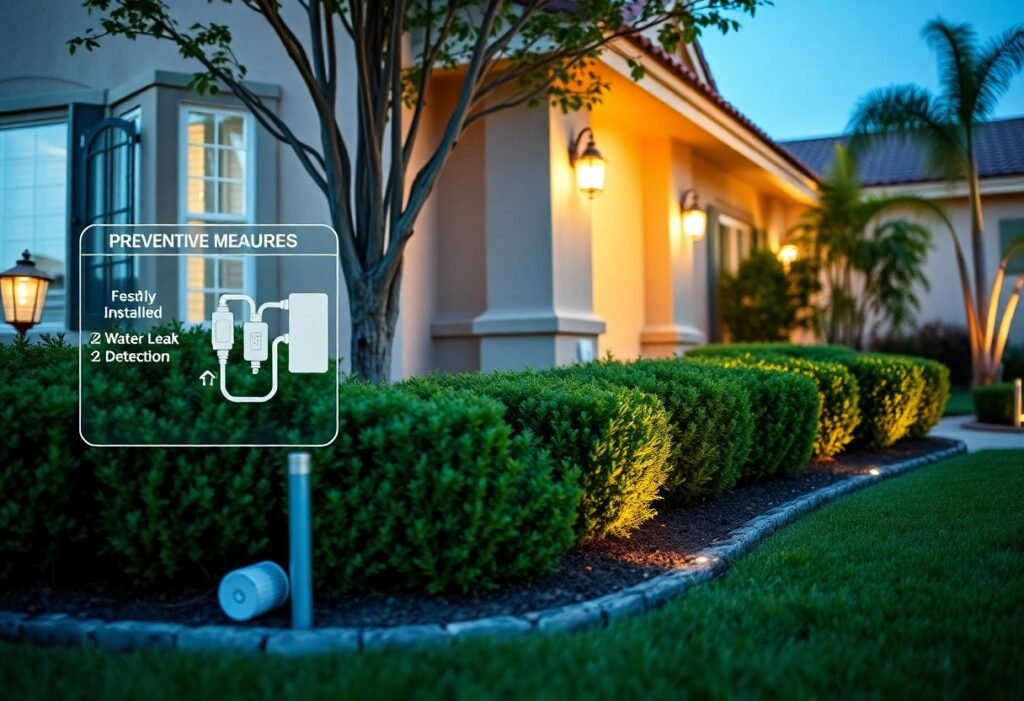
Regular home maintenance plays a vital role in preventing slab leaks, which can save you significant costs related to repairs and potential insurance claims. Maintaining the plumbing system, ensuring proper drainage around your foundation, and monitoring changes in your home’s water pressure can help detect issues before they escalate into serious problems. Additionally, routine upkeep of both indoor and outdoor elements, like gutters and downspouts, mitigates water accumulation that may lead to leaks beneath your slab.
Proactive Steps Every Homeowner Should Take
Taking a proactive approach to maintenance can significantly reduce the risk of slab leaks. Regularly inspect your plumbing for signs of wear, such as rust or leaks, and consider scheduling professional evaluations every few years. Implementing measures like insulating pipes against temperature fluctuations and ensuring that your landscape directs water away from your foundation can increase your home’s resilience to leaks and related damages.
Long-term Benefits of Regular Inspections
Investing time in regular inspections allows you to identify potential threats early on, preventing costly slab leaks and extensive damage. Homeowners who conduct annual plumbing assessments can experience reduced repair costs, increased property value, and enhanced peace of mind. Being proactive not only helps to maintain a functional home but fosters a safe, comfortable environment for your family.
Regular inspections provide significant long-term benefits beyond just preventing slab leaks. By uncovering minor issues early, you can address them before they grow into larger, more expensive problems. For example, a small leak caught during an inspection might only require a repair costing a few hundred dollars, whereas neglecting it could lead to substantial foundation damage necessitating thousands in repairs. Furthermore, maintaining a home in good condition contributes to its overall value, making it more appealing should you decide to sell. Prioritizing these inspections shows a commitment to your property, ensuring its longevity and safety for you and your family.
Real-Life Implications of Not Having Coverage
Facing a slab leak without insurance coverage can lead to devastating consequences for homeowners in Brea. The costs associated with repairing the leak and the subsequent damage can quickly escalate, leaving you in a financially precarious situation. Without proper coverage, not only do repairs become your sole responsibility, but your home’s value could also decline significantly, affecting future resale opportunities.
Financial Burden of Uncovered Damages
When a slab leak is not covered by insurance, you could be looking at thousands of dollars in repair bills. The average cost to fix a slab leak ranges from $2,000 to $4,000, depending on the damage and necessary repairs. Additionally, if structural damage occurs, those costs could swell even higher, placing a substantial financial strain on your household budget.
Emotional and Structural Impact on Homeowners
The emotional toll of dealing with an uncovered slab leak is often as significant as the financial burden. Homeowners may experience stress and anxiety over repairs, potential loss of their home’s value, and the disruption of their living environment. Prolonged exposure to water damage can lead to mold growth, further complicating the situation and increasing health risks for your family.
With the chaos caused by a slab leak, anxiety can permeate your daily life, creating an atmosphere of uncertainty and frustration. The structural deterioration may not only disrupt your daily activities but can also lead to longer-term concerns about safety and integrity. You may find yourself constantly worried about hidden damages or the ongoing risk of related issues, like mold, which can affect both your emotional well-being and your home’s overall structure. Ultimately, the absence of coverage transforms a home investment into a daunting liability, impacting both your finances and your peace of mind.
To wrap up
Now that you understand the complexities surrounding slab leaks and insurance coverage in Brea, California, it’s important to review your specific policy details. Coverage often varies based on the type of insurance you have, so consulting your provider can clarify what is included in your plan. You should also consider additional coverage options that may protect you against unexpected damages. Being proactive now can save you significant repairs costs later, ensuring your home remains safe and secure.
FAQ
Q: Are slab leaks typically covered by homeowners insurance in Brea, California?
A: The coverage for slab leaks generally depends on the specific terms of your homeowners insurance policy. In many cases, if the slab leak is a result of sudden and accidental damage, such as a broken pipe, it may be covered. However, damage resulting from wear and tear or if the leak has been present for an extended period is usually not covered. It’s important to review your policy and consult with your insurance agent to understand your coverage details.
Q: What steps should I take if I discover a slab leak in my home?
A: If you suspect a slab leak, the first step is to contact a professional plumber to assess the situation. Once the leak has been confirmed, notify your insurance company to discuss your coverage options before any repairs are initiated. Document the damage and the steps you take, as this information may be necessary for your insurance claim. Keeping records of all communications and repairs can also aid in the claims process.
Q: What might I need to show my insurance company when filing a claim for a slab leak?
A: When filing a claim for a slab leak, you may need to provide various pieces of information to your insurance company. This typically includes photographs of the damage, detailed descriptions of the events leading to the leak, and any reports from plumbing professionals. Additionally, retaining records of all repair estimates and invoices can significantly support your claim. Your insurance company may have specific requirements, so it’s best to inquire about what documentation they need to expedite the claims process.