Water Pressure Issues in Placentia, California? It Could Be Time to Repipe

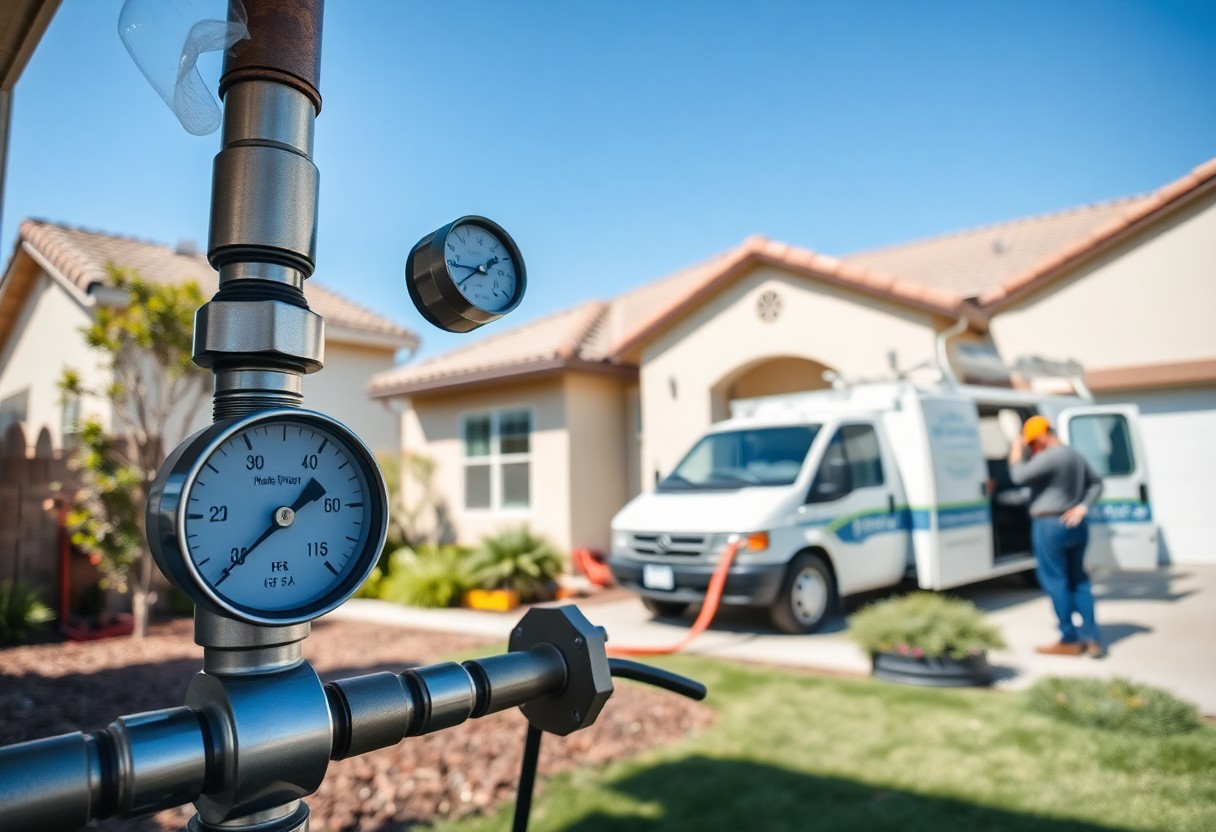
Repiping your home is a significant decision, especially if you’re experiencing water pressure issues in Placentia, California. You may notice low water pressure or even discoloration in your water, signaling potential problems with aging pipes. These issues not only affect your daily life but can also lead to more serious plumbing hazards or costly repairs down the line. In this blog post, you will discover when it is time to consider repiping, the benefits of modern materials, and how proper plumbing can enhance your home’s value and safety.
Key Takeaways:
- Low water pressure in Placentia may indicate underlying plumbing issues, such as aging pipes or leaks.
- Repiping can improve water flow and quality, preventing the complications associated with older plumbing systems.
- Homeowners should consult with plumbing professionals to evaluate their systems and discuss potential repiping options if water pressure issues persist.
Unmasking the Common Symptoms of Water Pressure Problems
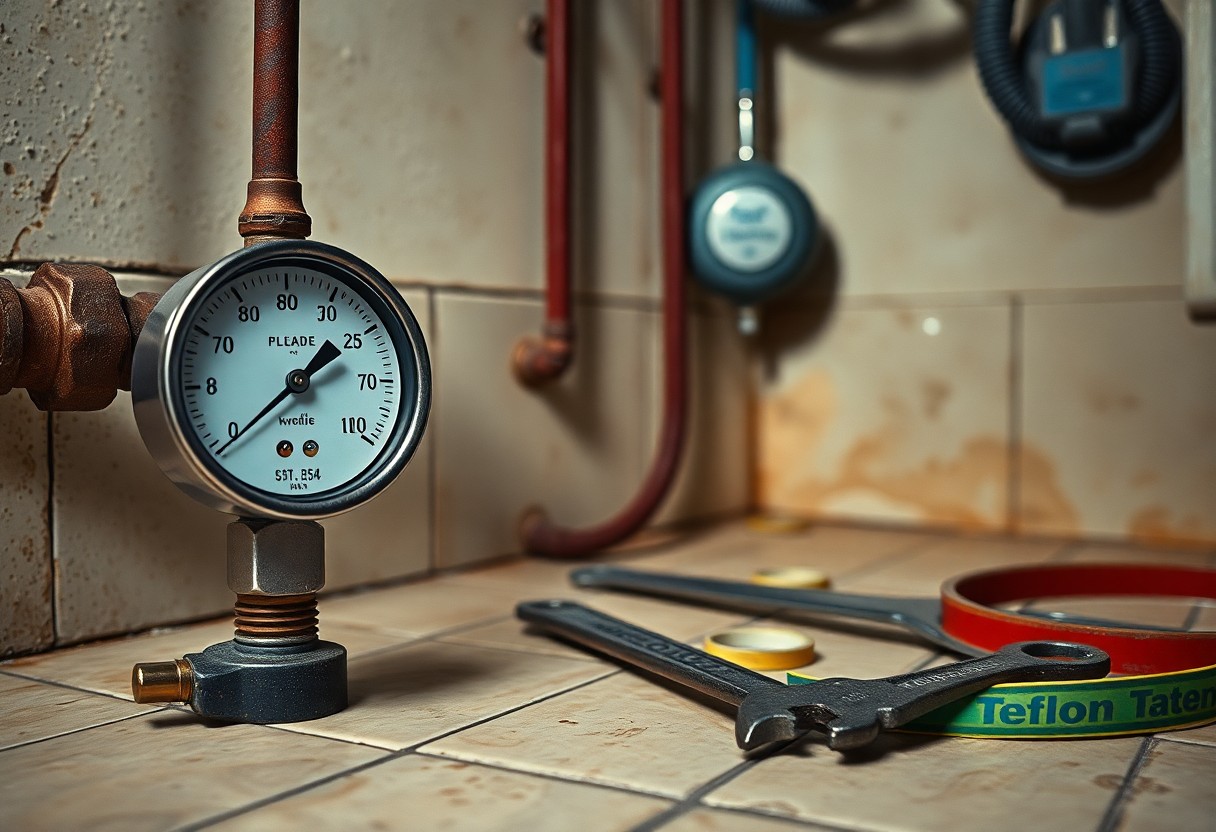
Recognizing the symptoms of water pressure issues can save you from larger plumbing challenges down the line. Pay attention to the signs that may indicate you need to take action soon. From unexpected increases in your water bill to uneven water flow from your fixtures, understanding these signs helps you stay proactive in maintaining your plumbing system.
Identifying Low Water Pressure Indicators
Low water pressure often manifests as weak or trickling water flow at faucets or showerheads. You might also notice that it takes significantly longer to fill up a bathtub or sink. If you find that your appliances, like dishwashers and washing machines, are struggling to operate effectively, it’s a sign that pressure issues could be at play.
Recognizing Fluctuating Water Flow Issues
Fluctuating water flow could lead to an uncomfortable shower experience or inefficiencies in household chores. You may experience moments where the water gushes out forcefully, followed by sudden drops in pressure or complete stoppages. This inconsistency often points to underlying problems within your plumbing system that should be addressed promptly.
In Placentia, fluctuations can stem from various factors, such as partial clogs, valve malfunctions, or more severe pipe damage. Having inconsistent water flow can impact not only your daily routine but also your water-using appliances. If this is happening, it’s wise to investigate further or consult with a professional. A thorough inspection will uncover potential blockages or pinhole leaks that need reparative measures.
The Role of Aging Plumbing Systems in Pressure Drops
As plumbing systems age, they can become significant contributors to water pressure issues. Over time, materials can deteriorate, leading to reductions in water flow and pressure. You may notice that your water pressure is weaker than it used to be, which can be attributed to factors such as mineral buildup, leaks, or even pipe obstructions caused by aging pipes. Recognizing the signs of an aging system is crucial in addressing these issues before they worsen.
Common Materials and Their Lifespans
Different piping materials have varied lifespans that can affect your plumbing system’s integrity. For instance, copper pipes typically last 50 years, while PVC can last up to 100 years. On the other hand, galvanized steel can corrode and fail in as little as 20 years. If your home was built several decades ago, it’s likely that the materials in your plumbing have reached or are nearing the end of their functional lifespan.
How Corrosion Affects Water Flow
Corrosion can significantly impact water flow in your pipes by causing obstructions and leaks. As pipes rust or corrode, the internal diameter of the pipe diminishes, which creates bottlenecks in your water system. You may experience frequent drops in water pressure as a result. In severe cases, corrosion can lead to complete blockages or ruptures, resulting in costly repairs and water damage.
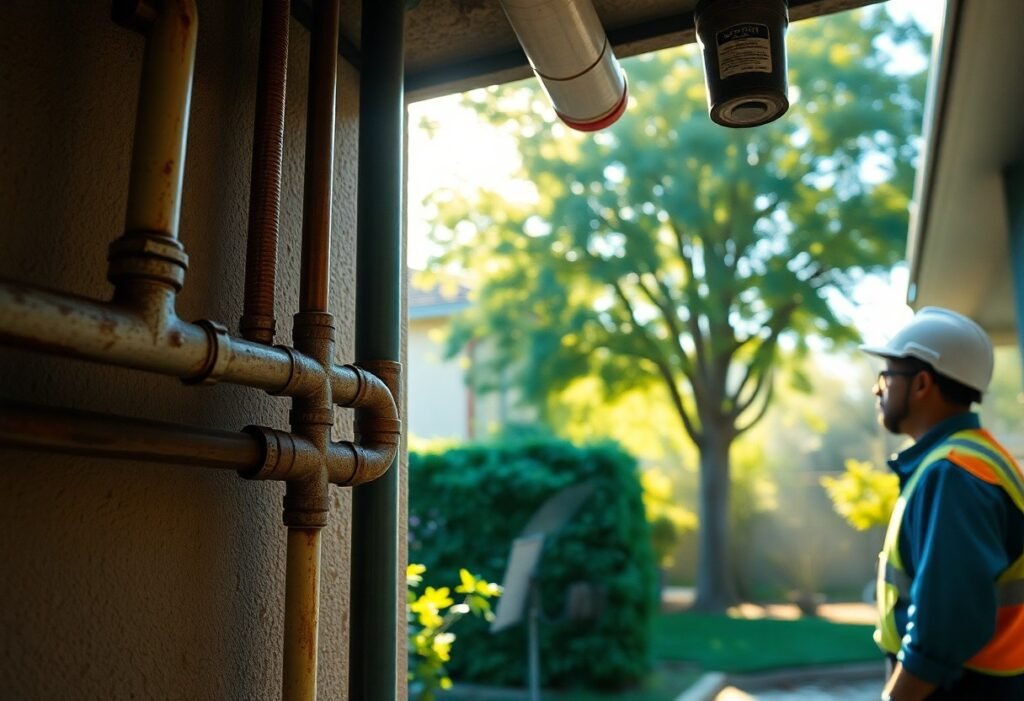
For instance, if you have galvanized steel pipes, you might notice rust flakes in your water or a metallic taste. This suggests that corrosion is hampering the flow. Such buildup not only reduces water pressure but also increases the risk of leaks, leading to potential water waste and further disruption of service. Addressing corrosion through repiping can enhance and stabilize your water flow, ultimately improving your daily water experience.
Exploring Consequences of Ignoring Water Pressure Issues
Ignoring water pressure issues in your home can lead to a multitude of problems that extend beyond mere inconvenience. Over time, low water pressure can escalate into larger concerns, including increased repair costs and serious damage to your plumbing system. Unresolved pressure issues may manifest in various ways, impacting both your daily water usage and the overall integrity of your home’s plumbing infrastructure.
Increased Utility Bills and Water Waste
Low water pressure can compel you to run taps longer to achieve the desired flow, ultimately resulting in inflated utility bills and wasted water. If your plumbing system is struggling to maintain adequate pressure, you might find yourself using more water than necessary to accomplish routine tasks, such as washing dishes or taking a shower. As a result, environmental concerns arise alongside increased expenses, which can be avoided through timely repairs.
Potential Damage to Fixtures and Appliances
Low water pressure doesn’t just affect your daily habits; it can also lead to significant damage to your fixtures and appliances. Inconsistent water pressure can cause water hammer, which may result in leaks or burst pipes, compromising the lifespan of your plumbing system. Appliances that rely on steady water pressure, like washing machines and dishwashers, are particularly susceptible to being damaged over time, leading to costly repairs or even replacements.
For instance, dishwashers operating under inconsistent pressure might not perform effectively, resulting in poorly cleaned dishes. This can prompt you to rerun cycles, further increasing your water consumption and energy bills. Additionally, washing machines can suffer from inadequate fills, causing strain on internal components and potentially leading to failures. Addressing low water pressure proactively not only enhances your daily convenience but also protects your investments in home appliances.
Understanding the Repiping Process: What Homeowners Need to Know
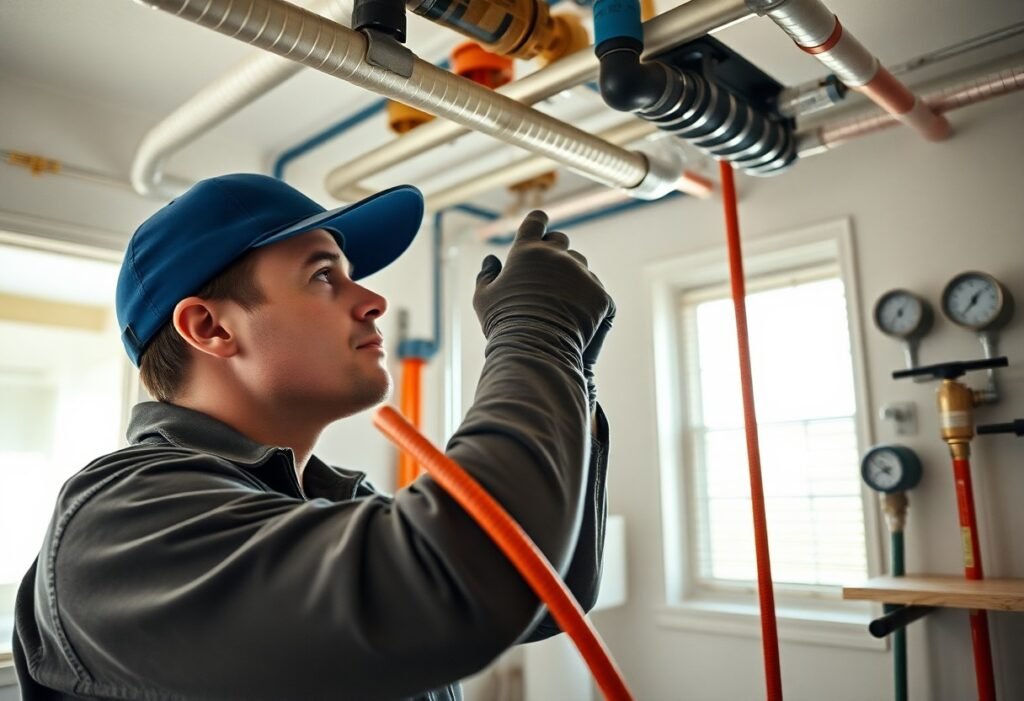
Repiping your home can seem daunting, but understanding the process makes it manageable. Initially, a qualified plumber will conduct a thorough inspection to identify the extent of the problem and develop a detailed plan tailored to your home. The repiping process typically involves removing old pipes, installing new ones, and ensuring that everything complies with current plumbing codes. For homeowners considering this, recognizing the Signs You Need to Repipe Your Orange County Plumbing … can guide you in making this important decision.
Choosing the Right Materials for Repiping
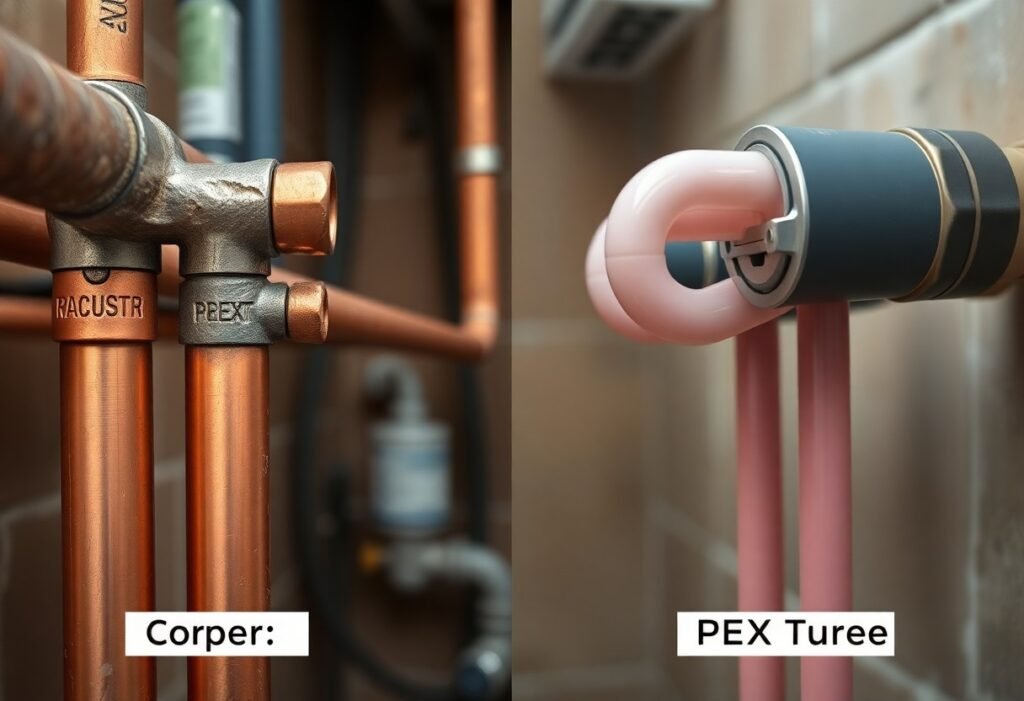
Opting for the right materials is vital for a successful repiping project. Common choices include copper, PEX, and CPVC. Each has its pros and cons: copper is durable but more expensive, while PEX is flexible and resistant to scale and chlorine, making it a popular choice for many homeowners. CPVC is cost-effective and easy to install but may not offer the same longevity as copper.
Step-by-Step Breakdown of the Repiping Procedure
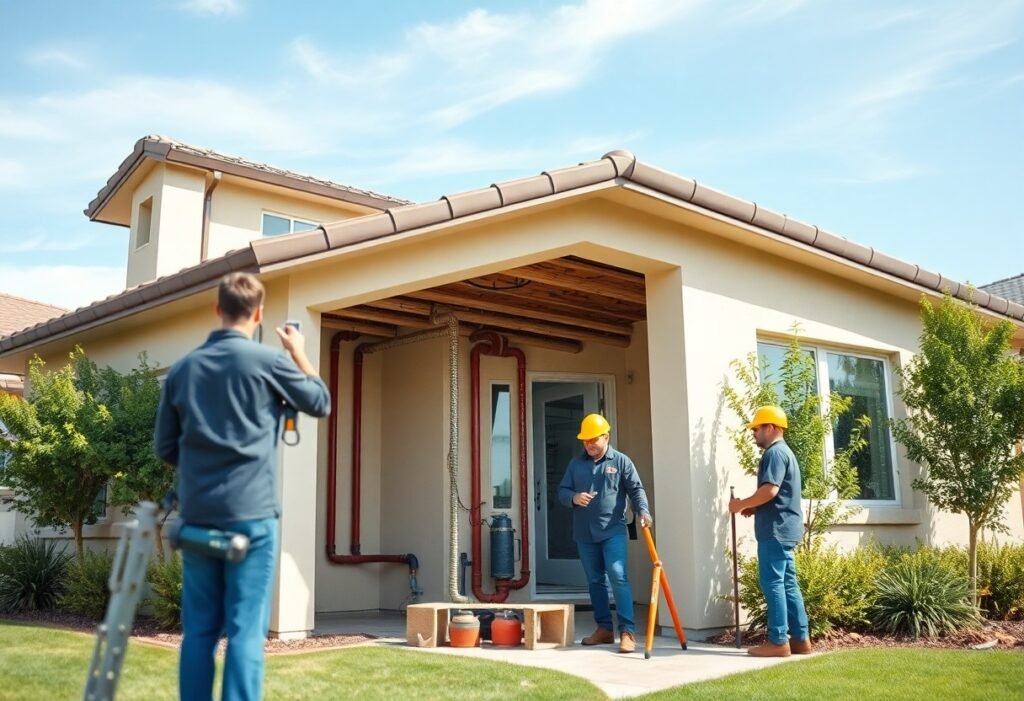
The repiping procedure can be broken down into several key steps. First, a full assessment of your plumbing system is conducted. Next, preparation includes shutting off the water supply and clearing work areas. After that, old pipes are removed, followed by the installation of new piping and fittings. Finally, extensive testing is performed to ensure there are no leaks, finishing with walls being restored and cleaned up.
Step-by-Step Breakdown of the Repiping Procedure
| Step | Description |
| 1. Assessment | Inspect plumbing to identify issues and create a plan. |
| 2. Preparation | Shut off the water supply and prepare work areas. |
| 3. Pipe Removal | Carefully disconnect and remove old pipes. |
| 4. New Installation | Install new pipes and fittings, adhering to codes. |
| 5. Testing | Check for leaks and ensure functionality. |
| 6. Restoration | Repair walls and clean up work areas, restoring your home. |
After the inspection, when preparation begins, you may notice your home being prepped as crew members clear paths to access pipes. The old pipes need to be removed carefully to minimize disruption, which usually involves some construction work. Once the new pipes are installed, thorough testing occurs to ensure everything is functioning properly without leaks. The final step of restoration is important to returning your home to its original state, giving you both peace of mind and a reliable plumbing system.
Financial Considerations: The Cost-Benefit Analysis of Repiping
Investing in repiping can significantly affect your home’s plumbing and overall value. Analyzing immediate costs against long-term savings is vital for making informed decisions. While an initial expense for materials and labor may seem high, the benefits of increased water pressure and reduced leak repairs contribute to substantial long-term savings. A thorough evaluation of these factors is critical in determining if it’s time to engage a professional service like Repipe1: PEX & Copper Repiping in Orange County, CA.
Immediate Costs vs. Long-term Savings
The upfront costs of repiping, typically ranging from $4,000 to $15,000 depending on your home size, can be daunting. However, this might be offset by eliminating ongoing fixes for leaks, reduced water bills, and enhanced home value. Ignoring issues could lead to costly repairs that far exceed the original repiping investment.
Financing Options for Homeowners
Homeowners facing repiping expenses have various financing options to ease financial strain. Many companies, including specialty services, offer financing plans that allow you to manage costs in a way that fits your budget, such as low or zero-interest financing, extended payment plans, or home equity loans.
Exploring financing options can make a significant difference. Some contractors provide payment plans that allow you to start renovations with a small down payment, then pay off the remaining balance over time. Additionally, many homeowners consider using personal loans or home equity lines of credit (HELOCs) to fund repiping, often resulting in lower interest rates than credit cards. It’s advisable to consult with financial advisors or trusted contractors to identify the best financing solutions available for your situation.
Conclusion
So, if you’re experiencing water pressure issues in Placentia, California, it might be time to consider repiping your home. Aging pipes can lead to decreased water flow, potential leaks, and other complications that affect your daily life. By addressing these problems proactively, you can restore your water pressure and safeguard your plumbing system for years to come. Consult with a professional to assess your situation and explore the best repiping options for your needs.
FAQ
Q: What are the common signs of water pressure issues in Placentia, California?
A: Residents in Placentia might experience several indicators of water pressure problems. Common signs include inconsistent water flow from taps, decreased water force when using multiple fixtures simultaneously, or gurgling noises in pipes. Additionally, if you notice fluctuations in hot and cold water pressure or water staining around fixtures, these could suggest underlying pipe issues. Being aware of these symptoms helps in identifying when it’s time to take action.
Q: What are the possible causes of low water pressure in my home?
A: There are several factors that can lead to low water pressure. One main cause could be the aging of pipes, which often affects plumbing systems in older homes. Over time, pipes can corrode, accumulate mineral build-up, or even develop leaks, resulting in reduced water flow. Another factor may be city water supply issues; during peak hours, municipal systems can struggle to maintain adequate pressure. Additionally, factors like faulty pressure regulators or clogged aerators in faucets can also contribute to the problem.
Q: How can repiping resolve water pressure issues in my home?
A: Repiping can significantly improve water pressure by replacing old or damaged pipes that may be harboring problems like corrosion or leaks. Newer pipe materials, such as PEX or copper, allow for higher flow rates and can minimize the chances of clogs. By upgrading your plumbing system through repiping, homeowners often notice an immediate improvement in water pressure, ensuring fixtures operate efficiently. Consulting with licensed plumbers in Placentia can provide assessments and recommendations tailored to your home’s unique plumbing needs.