Common Plumbing Issues That Require Repiping in Tustin, California

Many homeowners in Tustin face plumbing challenges that can indicate the need for repiping. Understanding these common issues can save you from costly damage and health hazards. From persistent leaks to discolored water, knowing when to act is vital for maintaining safe and efficient plumbing in your home. Additionally, recognizing signs like low water pressure or frequent clogs can help you address potential problems before they escalate. This post will guide you through the most common plumbing issues that require immediate repiping attention.
Key Takeaways:
- Frequent leaks or pipe bursts often indicate that repiping may be necessary to prevent further water damage and ensure system integrity.
- Corrosion and mineral buildup in older piping materials, such as galvanized steel, can lead to decreased water quality and flow, suggesting a need for replacement.
- Older homes in Tustin may have outdated plumbing systems that do not meet current standards, prompting homeowners to consider repiping for improved efficiency and safety.
The Costly Consequences of Outdated Pipes
Old and corroded pipes can lead to an array of costly issues that can severely impact your home and finances. Aside from the constant threat of leaks and water damage, outdated plumbing can cause your water bills to spike due to inefficiencies. Furthermore, deteriorating pipes are prone to blockages, resulting in plumbing backups that may require emergency services to address, adding further expenses to your budget.
Identifying Signs of Deterioration
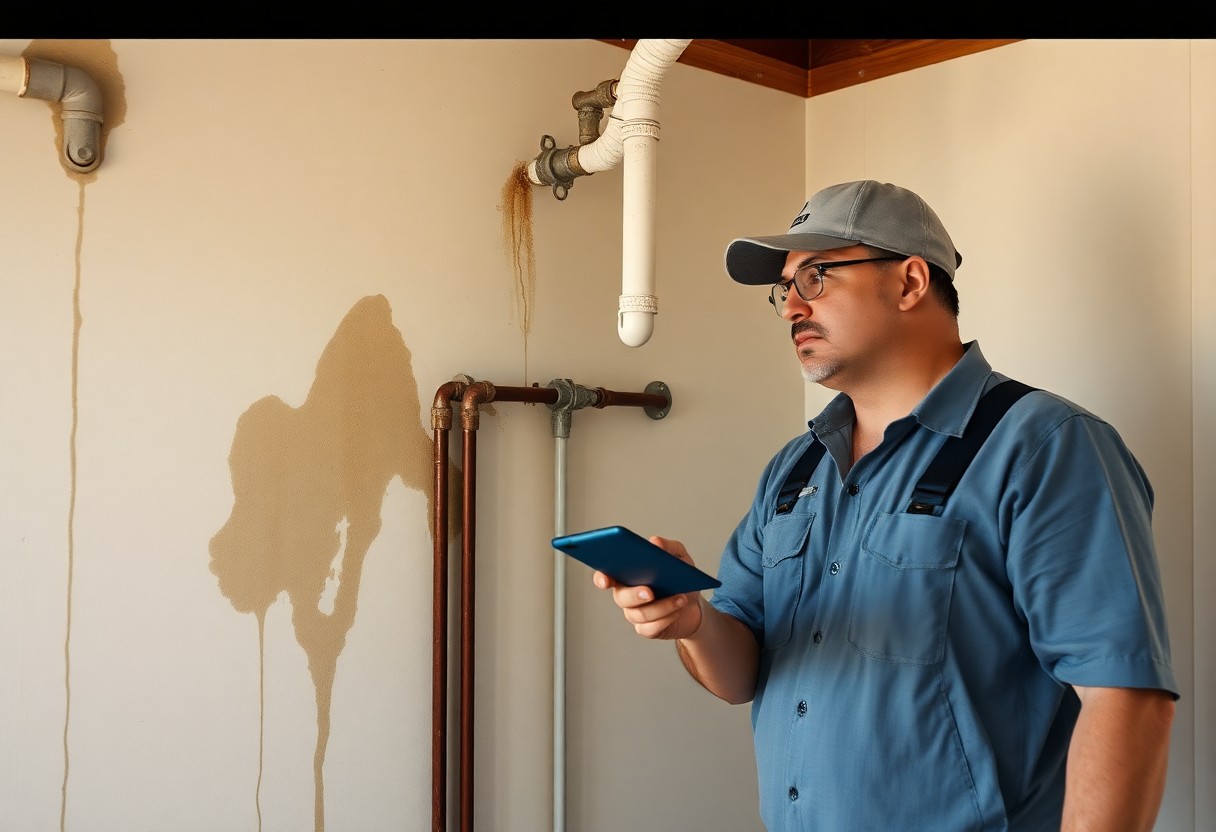
Be vigilant for signs such as discolored water, inconsistent water pressure, or unexpected damp spots on walls and ceilings. These indicators suggest that your pipes may be deteriorating, possibly leading to more significant problems if not addressed promptly. If your plumbing system is more than 50 years old, it’s wise to schedule a professional inspection.
Financial Implications for Homeowners
Outdated plumbing can come with surprising financial burdens, including costly repairs resulting from leaks or pipe bursts. If you find yourself facing frequent plumbing issues, you might spend hundreds, if not thousands, on repairs instead of investing in a repiping solution that could provide long-term savings and peace of mind.
Ignoring the signs of deteriorating pipes can lead to financial disaster for homeowners. A single pipe burst can cause extensive water damage, often costing $3,000 to $5,000 just for repairs. Beyond the immediate damages, insurance claims may not cover all expenses, resulting in unexpected out-of-pocket costs. In contrast, investing in repiping your home could avert these headaches and provide a lasting solution, ultimately saving you money in repairs and enhancing the overall value and safety of your property.
How Corrosion Leads to Major Plumbing Failures
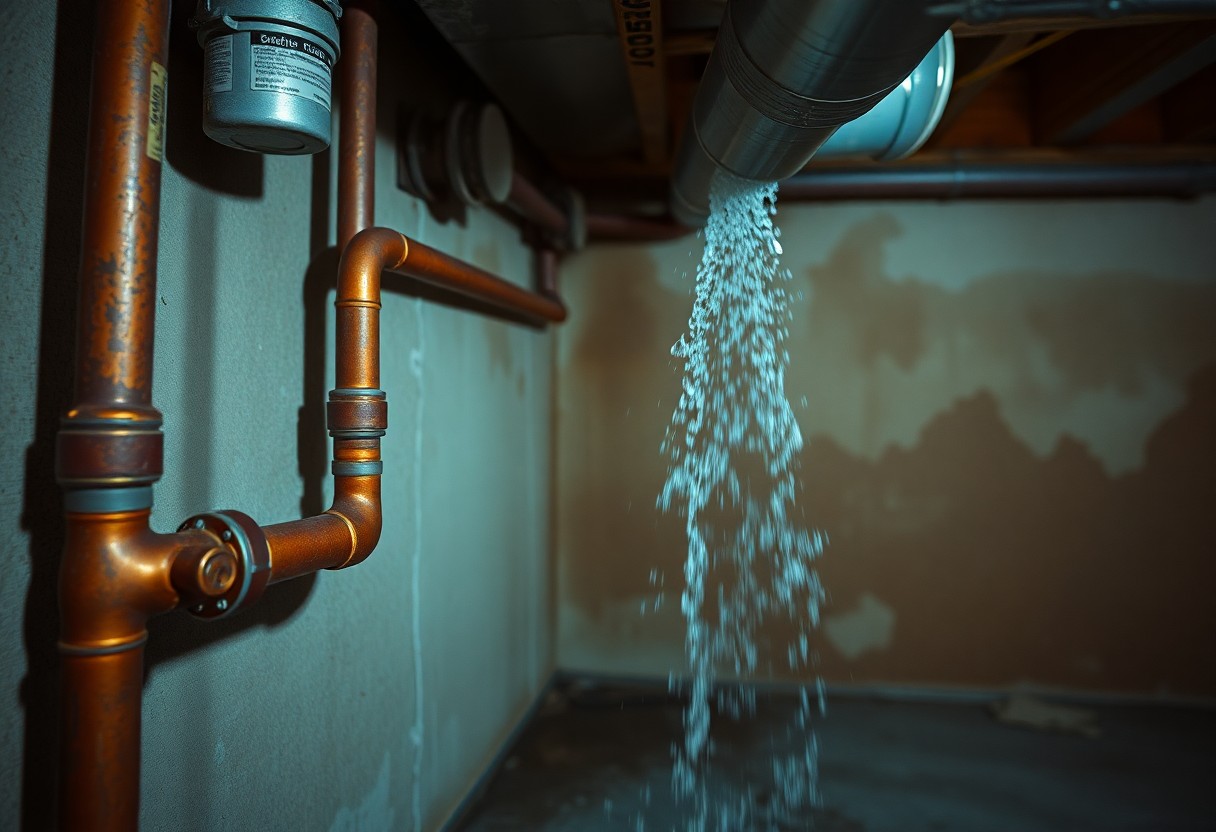
Corrosion can silently wreak havoc on your plumbing system, leading to disastrous failures if not addressed promptly. Over time, metal pipes weaken due to chemical reactions with water and soil, ultimately resulting in leaks and bursts. Hard water, often prevalent in Tustin, accelerates the process by depositing minerals that contribute to rusting. If you’re facing persistent plumbing issues, consider consulting The 8 Most Common Plumbing Issues In California And … to identify if repiping is necessary.
The Chemistry of Pipe Corrosion
Corrosion in plumbing systems primarily arises from electrochemical reactions between water and the materials of your pipes. Factors like pH levels, temperature, and the presence of dissolved oxygen determine how swiftly this degradation occurs. For instance, acidic water can quickly eat away at copper pipes, while corroded iron pipes can cause rust to infiltrate your water supply.
Understanding the Role of Water Quality
Your home’s water quality significantly influences the rate of pipe corrosion. High mineral content, especially with hard water conditions, can lead to scale buildup and accelerated wear on pipes. Additionally, chlorine and chloramines in treated water can contribute to the deterioration of specific pipe materials, further compounding potential issues.
Municipalities often use chemicals to treat water, which, while intended for safety, can react negatively with certain pipe types. For example, high levels of dissolved oxygen can lead to pitting in copper pipes, while excessive chlorine levels may promote corrosion in PVC. Regular monitoring of your water quality can help you identify potential risks and proactively maintain your plumbing system, saving you from costly repairs down the line.
Water Pressure Problems: Indicators of Bigger Issues
Experiencing inconsistent or low water pressure can signal underlying plumbing problems. While it may seem like a minor inconvenience, fluctuations in water pressure often indicate issues such as mineral buildup in pipes or even more severe structural weaknesses. Ignoring these signs could lead to more significant complications, like leaks or burst pipes, that demand immediate attention and potential repiping solutions. It’s important to investigate these irregularities to maintain a functional and safe plumbing system in your home.
Troubleshooting Low Water Pressure
To troubleshoot low water pressure, first check for clogs in aerators and showerheads, which can restrict water flow. Next, inspect your main shut-off valve to ensure it’s fully open. If problems persist, examine your home for leaks and consider testing your water pressure with a gauge. If readings indicate issues, consulting a professional may be necessary to assess the condition of your pipes and determine appropriate repairs or repiping.
The Connection Between Pressure and Pipe Integrity
Your plumbing system relies heavily on consistent water pressure, and drops in pressure often point toward potential pipe integrity issues. Corroded, weakened, or damaged pipes can lead to substantial leaks, causing not only a decrease in water flow but also the risk of significant property damage. In homes with older plumbing infrastructure, replacing deteriorating pipes can restore optimal pressure and enhance overall efficiency, making repiping a viable solution to bigger problems.
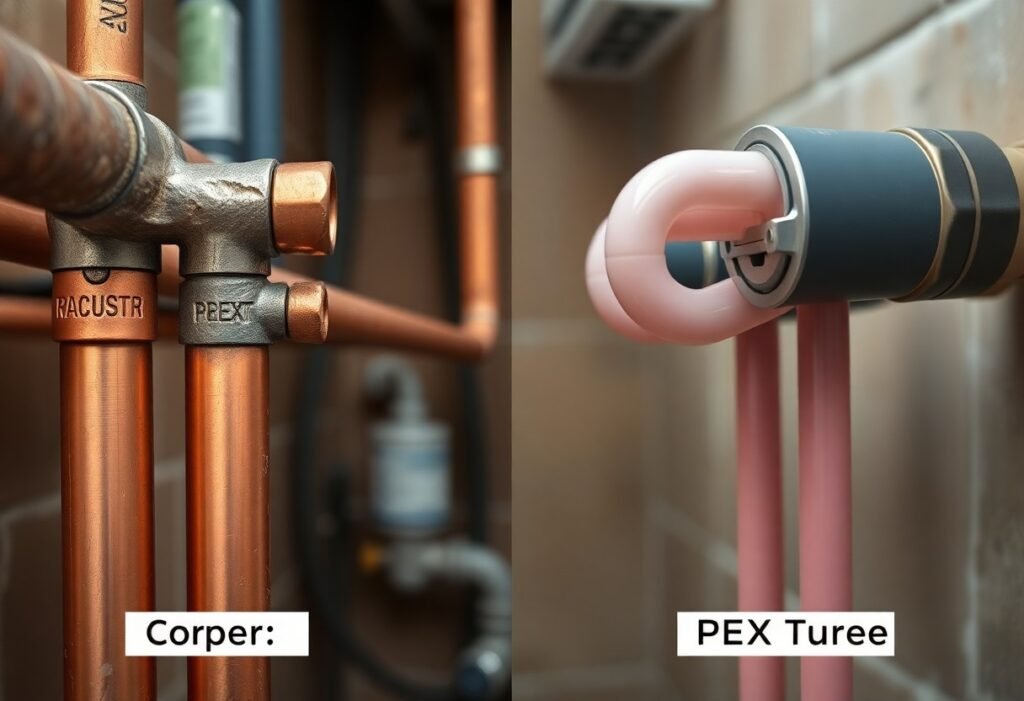
Pipes that are corroded not only suffer from reduced pressure but also risk rupturing under stress. As water flows through compromised pipes, minerals can accumulate, creating blockages that exacerbate pressure problems. In Tustin, California, where older homes may still use outdated plumbing materials, it’s wise to consider repiping if you experience recurrent pressure drops. Investing in modern materials like PEX or copper can improve water flow, provide durability, and enhance your plumbing system’s overall longevity.
When Tree Roots Become a Plumbing Nightmare
Tree roots can wreak havoc on plumbing systems, leading to unexpected and costly repairs. As roots seek out water sources, they can invade pipes, causing blockages, leaks, and even complete pipe collapse. In Tustin, California, where lush landscapes are commonplace, root intrusion is a frequent issue for homeowners. If you’ve experienced sudden plumbing problems, check out this discussion on Is the pinhole plumbing issue in South OC legit? to see how this problem is affecting others in your area.
The Impact of Root Intrusions on Pipe Systems
Root intrusions can lead to severe damage in your plumbing system. When roots penetrate pipes, they disrupt the flow of wastewater, resulting in slow drainage or complete blockages. Over time, this can exacerbate existing pipe issues, resulting in costly repairs or the need for complete repiping. In severe cases, roots can cause cracking or rupturing of the pipes, leading to further repercussions such as water damage in your home.
Solutions for Preventing and Repairing Damage
Addressing root intrusion requires a multi-faceted approach. Regular inspections with a professional plumber can detect early signs of root damage. Employing root barriers can prevent roots from reaching your pipes in the first place. In the event of an existing problem, techniques like hydro jetting can effectively clear away invasive roots, while more damaged sections may necessitate replacement. Understanding these solutions can save you time and money in the long run.
Effective root management includes preventive measures such as installing barriers around your plumbing infrastructure and maintaining a safe distance between large trees and water lines. Consulting with an experienced plumber can help tailor solutions to your specific situation, considering factors like soil type and the species of nearby trees. Regularly scheduled pipe inspections and maintenance will provide you with peace of mind and reduce the likelihood of future invasions, helping to keep your plumbing system running smoothly.
Mold and Water Damage: The Aftermath of Leaks
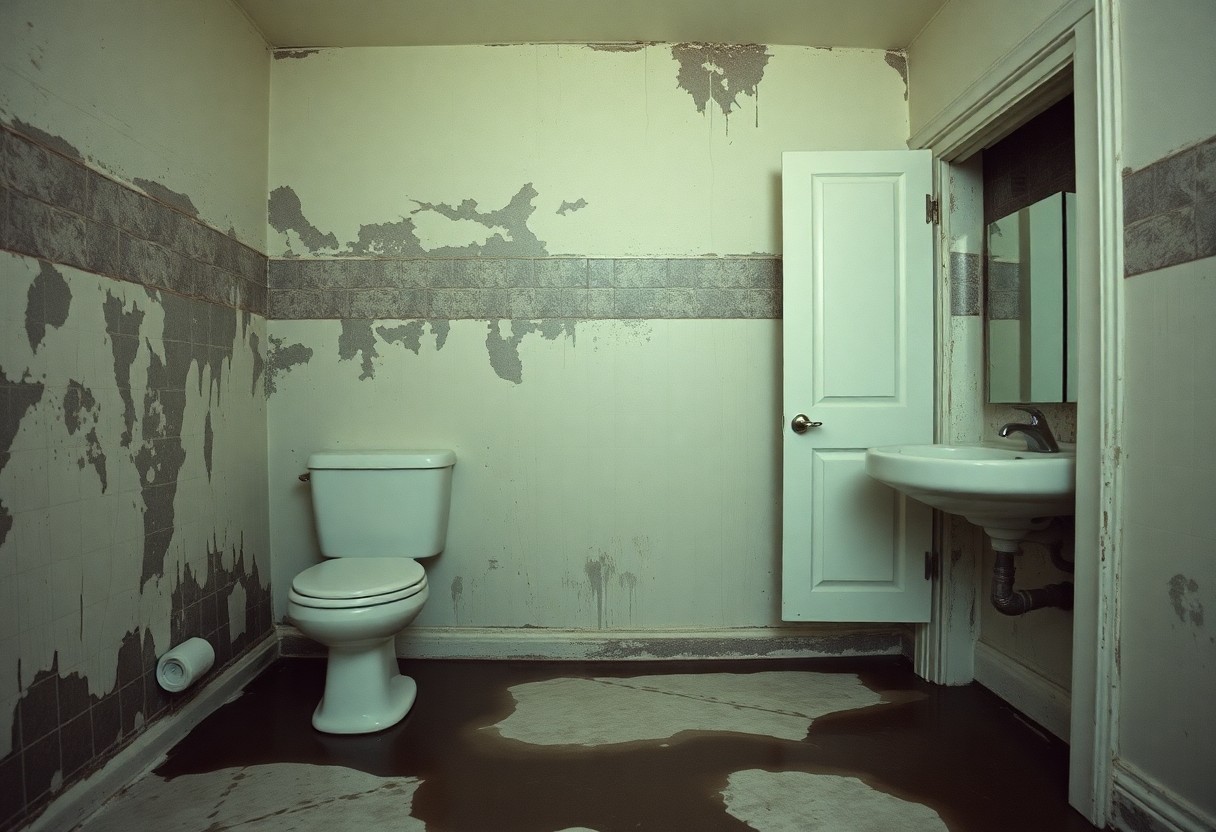
Leaks often lead to mold growth and significant water damage, creating a hazardous living environment in your home. Hidden leaks can persist unnoticed, resulting in rotten wood, damaged walls, and a musty odor that can impact air quality. The aftermath can be expensive and time-consuming, necessitating professional cleanup and repairs to mitigate health risks associated with mold exposure.
Recognizing the Symptoms of Hidden Leaks
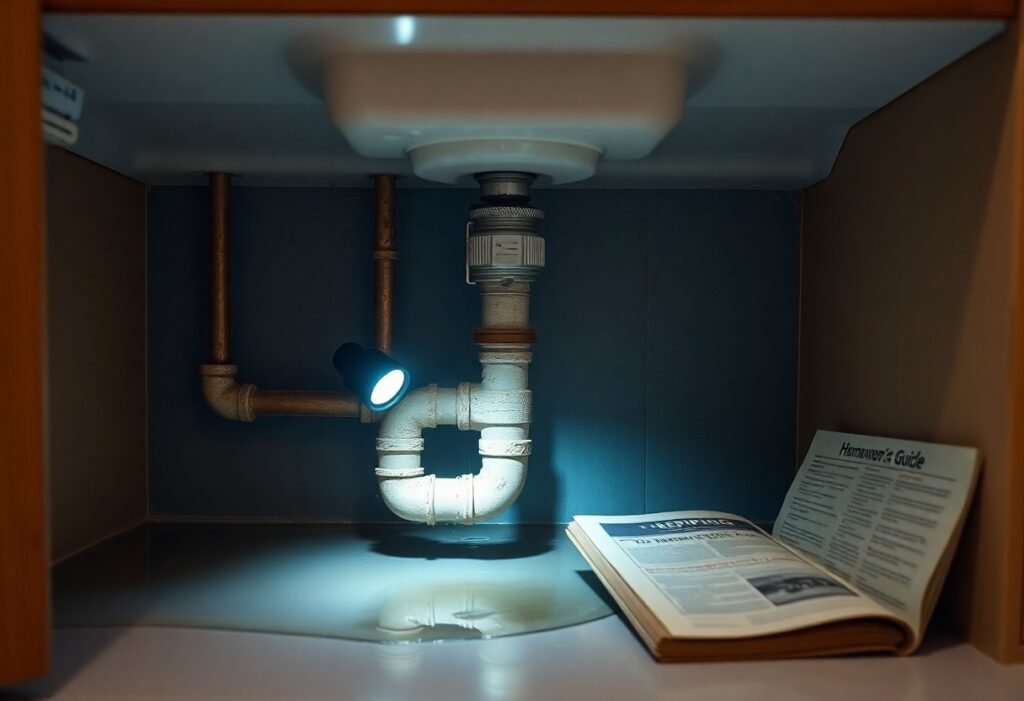
Identifying hidden leaks can prevent major water issues down the line. Look for water stains on walls or ceilings, an unexplained increase in your water bill, or the presence of mold in areas typically not exposed to moisture. Even subtle changes in your home environment, like peeling paint or a damp smell, can indicate ongoing plumbing leaks that need immediate attention.
How Repiping Can Solve Long-Term Water Issues
Addressing plumbing problems often requires repiping, especially when leaks persist despite repairs. Repiping involves replacing old, corroded, or damaged pipes with new ones, ensuring a more reliable and efficient plumbing system. This not only resolves recurrent leaks but also enhances water quality, minimizes future maintenance, and improves overall home value.
Repiping offers a long-term solution that effectively eliminates the recurring problems caused by aging or deteriorated pipes. In Tustin, homes built decades ago frequently face issues from outdated materials, leading to leaks and water damage. By replacing problematic sections with modern materials, you eliminate the risk of future leaks, lower the chances of mold development, and ensure consistent water pressure. The investment in repiping can pay off in both savings on repairs and peace of mind, knowing your plumbing system is secure.
Summing up
To wrap up, being aware of common plumbing issues such as frequent leaks, low water pressure, and galvanized pipes can help you determine when it’s time for repiping in Tustin, California. Addressing these problems promptly not only enhances your plumbing system’s efficiency but also prevents more severe damage to your home. If you notice any of these signs, consulting a professional plumber will ensure that your plumbing needs are effectively met, safeguarding your home and improving your water quality.
FAQ
Q: What are the signs that indicate repiping may be necessary in my Tustin home?
A: Homeowners in Tustin should look for several key signs that suggest repiping is needed. Common indicators include frequent leaks or water stains on walls and ceilings, a sudden increase in water bills despite consistent usage, discolored or rust-colored water from taps, and low water pressure throughout the house. Additionally, if your plumbing system is over 50 years old and made from outdated materials such as galvanized piping, it’s advisable to consider repiping as these pipes are prone to corrosion and failure.
Q: How does the climate in Tustin affect plumbing and the need for repiping?
A: Tustin’s relatively warm climate can lead to specific plumbing challenges that might necessitate repiping. For instance, the region experiences occasional humidity, which may cause pipes to sweat and develop mold or corrosion. Moreover, during periods of drought, homeowners might inadvertently subject their plumbing systems to stress due to fluctuating water conditions. These factors can accelerate the deterioration of older pipes, increasing the likelihood that repiping will be required. Ensuring that your plumbing is resilient can help manage these regional challenges effectively.
Q: What are the benefits of repiping my plumbing system in Tustin?
A: Repiping offers several advantages for homeowners in Tustin. First, it can significantly reduce the frequency of leaks and plumbing emergencies, resulting in lower maintenance costs over time. New piping materials, such as PEX or copper, offer better resistance to corrosion and can enhance water quality. Additionally, repiping can lead to improved water pressure and consistent temperature in showers and faucets. Lastly, having a modern plumbing system can increase property value and appeal, making it a worthwhile investment for your home.