Best Materials for Whole House Repiping in Placentia, California

Materials play a significant role in determining the longevity and reliability of your plumbing system during a whole house repiping project. In Placentia, California, you have several options, including copper, PEX, and CPVC, each with its own set of advantages and disadvantages. Choosing the right materials will not only impact the performance and maintenance of your plumbing system but can also affect your home’s safety and overall value. This guide will help you navigate these options to ensure you make an informed decision best suited for your home.
Key Takeaways:
- Common materials for whole house repiping include copper, PEX, and CPVC, each offering unique benefits in terms of durability, cost, and installation ease.
- Copper pipes are known for their longevity and resistance to corrosion, making them a reliable choice for homeowners looking for a traditional option.
- PEX pipe has gained popularity due to its flexibility, lower installation costs, and resistance to scale and chlorine, making it suitable for various home plumbing systems.
The Pros and Cons of Popular Repiping Materials
Pros and Cons Table
| Material | Pros | Cons |
|---|---|---|
| Copper | Durable, resistant to corrosion, excellent heat conductivity | Expensive, prone to theft, labor-intensive installation |
| PEX | Flexible, affordable, resistant to freezing | Less durable in sunlight, potential leaching issues |
| CPVC | Cost-effective, resistant to corrosion, low thermal conductivity | Less durable than copper, can become brittle over time |
| Galvanized Steel | Strong, reliable, resistant to large leaks | Corrosion over time, heavy, prone to mineral buildup |
| PVC | Lightweight, easy to install, low cost | Limited to cold-water applications, can warp in heat |
| Stainless Steel | Highly durable, aesthetically pleasing, corrosion-resistant | Expensive, harder to work with |
| Polybutylene | Low cost, easy to install | Prone to leaks, not widely recommended anymore |
| Flexible Copper | Easy to install in tight spaces, resistant to corrosion | More expensive than traditional copper, less widely used |
Copper: The Tried and True Choice
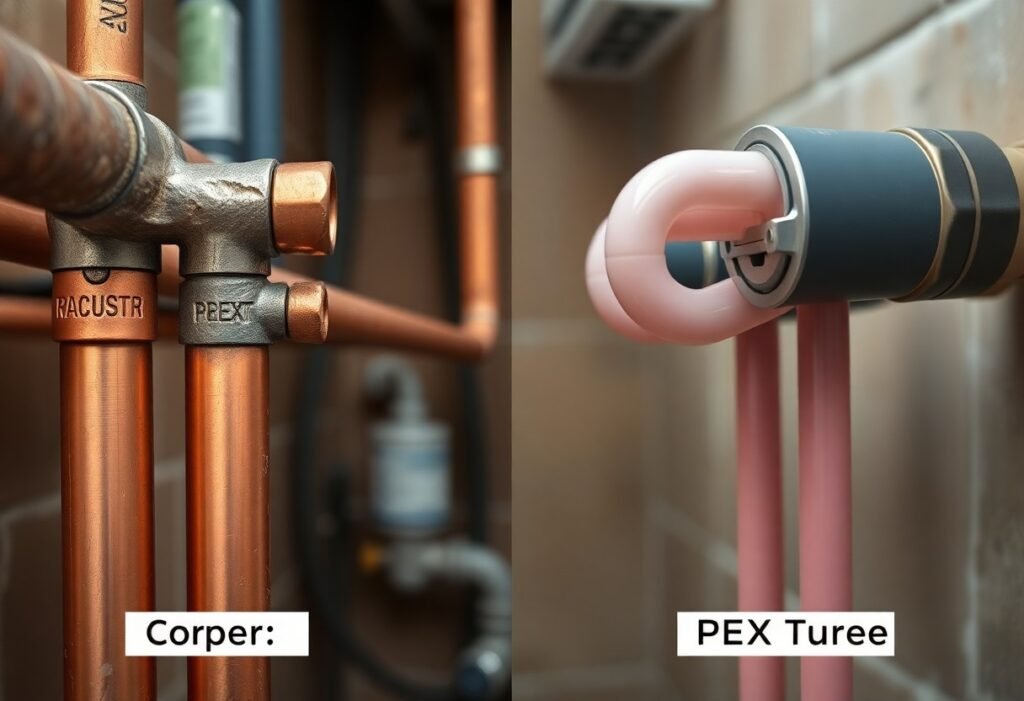
Copper has long been recognized as a dependable choice for repiping, acclaimed for its durability and resistance to corrosion. It’s capable of handling high temperatures and pressure, making it ideal for both hot and cold water lines. The material is also naturally antimicrobial, contributing to a healthier water supply. However, the higher installation costs and potential for theft can give some homeowners pause.
PEX: Versatility Meets Affordability
Puts flexibility at your fingertips, PEX offers a revolutionary alternative to traditional plumbing materials. This cost-effective solution is easy to install, minimizing labor costs while allowing for bends and turns that prevent leakage. Additionally, PEX* is resistant to scale and chlorine, making it suitable for both residential and commercial use.
CPVC: The Underestimated Contender
CPVC is often overlooked, yet it’s a highly cost-effective solution for repiping projects. This strong plastic material can handle hot water applications and won’t corrode, making it a viable option for many homeowners. Installation is straightforward, which allows you to save on labor costs, but be mindful of its susceptibility to becoming brittle over time if exposed to harsh conditions.
More about CPVC: The Underestimated Contender
Offering a good balance between affordability and durability, CPVC pipes can be an excellent choice for your plumbing needs. Their resistance to corrosion means you won’t have to worry about rusted pipes affecting your water quality. Moreover, CPVC’s versatility allows it to be integrated into various plumbing systems seamlessly. While it has its limitations, like a reduced lifespan compared to copper, it remains a solid contender for many homeowners looking for cost-effective alternatives.
* PEX = Cross-linked Polyethylene
The Influence of Local Climate on Material Selection
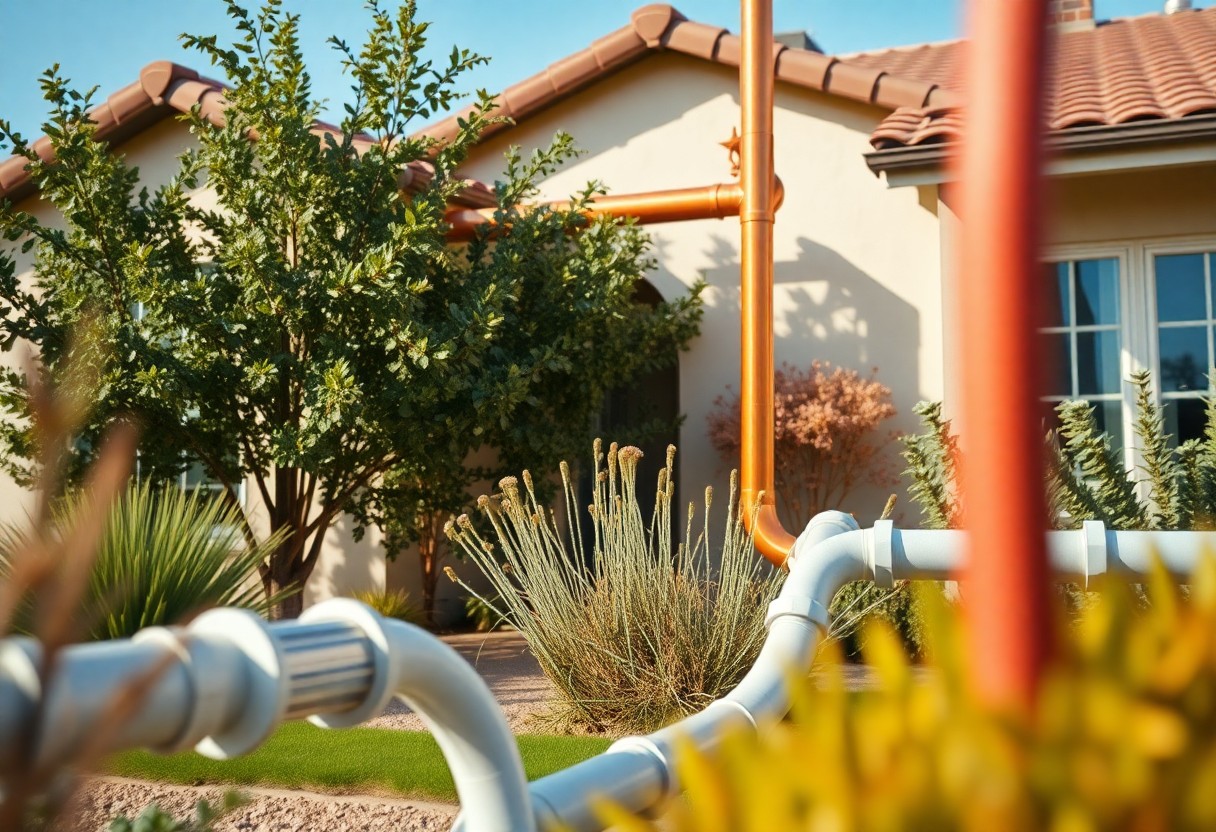
Placentia’s Mediterranean climate, characterized by warm, dry summers and mild, wetter winters, necessitates careful material selection for effective repiping. The resilience of your chosen materials should align with local weather patterns, particularly the potential for temperature fluctuations and the presence of moisture. Understanding how these elements affect pipes can guide you in choosing the right materials to avoid premature failures or costly repairs.
How Placentia’s Weather Impacts Pipe Longevity
In Placentia, the warm summers can lead to thermal expansion in certain pipe materials, while the cool, wet winters might increase risks for corrosion and leaks. Copper and PEX are often favored for their ability to withstand these conditions without significant degradation, ensuring a longer lifespan for your plumbing system.
Addressing Unique Environmental Challenges
Unique environmental challenges, such as the region’s occasional heavy rainfall, can influence the effectiveness of your repiping materials. For instance, the risk of soil erosion and shifting ground could compromise the integrity of certain pipe types. This emphasizes the need for comprehensive planning in your repiping project to select resilient options that can withstand environmental stressors.
Considering these environmental challenges, it’s wise to select materials that offer corrosion resistance and flexibility. PEX pipes, for example, can expand and contract without cracking under fluctuating temperatures, ensuring durability during Placentia’s seasonal changes. Additionally, using higher-grade PVC can protect against moisture-related deterioration, helping to prolong the life of your plumbing system and minimize future costs associated with repairs. Tailoring your choices to fit the climate and environmental specifics not only enhances performance but also promotes peace of mind in your household plumbing.
Cost Analysis: Budgeting for Your Pipes
Understanding the financial implications of whole house repiping is important for homeowners in Placentia. Costs can vary widely depending on the materials chosen, labor rates, and the specifics of your plumbing system. Having a detailed budget helps ensure you choose the right materials while avoiding unexpected expenses during your project.
Breakdown of Material Costs
Material costs for repiping can fluctuate significantly, with copper averaging around $2.50 to $5.00 per linear foot and PEX being more budget-friendly at roughly $0.50 to $2.00 per linear foot. CPVC also presents a cost-effective option, typically ranging from $0.40 to $1.50 per linear foot. When planning your budget, account for the quantity required based on your home’s layout and plumbing needs.
Long-Term Savings vs. Initial Investment
Investing in high-quality repiping materials can result in significant savings over time. While options like copper may cost more upfront, their longevity and reliability can save you from costly repairs and replacements down the line.
Consider the extended lifespan of materials such as PEX, which can last for over 50 years, compared to traditional galvanized pipes that may corrode within 20 years. While the initial investment for copper or CPVC might be higher, the lower maintenance and replacement costs can make them more economical in the long run. An analysis on plumbing maintenance reports shows that homeowners often save 30-50% on repair costs after opting for higher-quality materials, reinforcing the idea that upfront costs should be weighed against potential future savings.
Expert Recommendations: Insights from Local Plumbers
Consulting with local plumbers can provide invaluable insights tailored to your specific needs in Placentia, California. Many experts advocate for the use of cross-linked polyethylene (PEX) due to its excellent resistance to corrosion and flexibility, making installation easier. Copper remains a favored choice for its durability and long lifespan. For a deeper look into plumbing solutions, you can check this Comprehensive Guide to Whole House Repiping.
Best Practices for Selecting Materials
Selecting the right materials for your repiping project involves assessing factors like budget, water quality, and local regulations. Opt for materials that offer long-term value, such as PEX or copper, and ensure they are compatible with your home’s existing plumbing. Consulting with professionals can help identify the optimal materials that will reduce future maintenance and repair costs.
Common Misconceptions Debunked
Many people believe that only one type of piping is suitable for whole house repiping, which is far from accurate. The most common misconception is that PEX is inferior to copper due to concerns over longevity. However, PEX is becoming increasingly popular for its ability to withstand extreme temperatures and resist scale buildup. Understanding both options can help you make an informed decision that suits your home.
Additional myths include the notion that repiping is solely a cosmetic upgrade or that it can wait until there’s a problem. While repiping may enhance water flow and quality, it is often a necessary maintenance step to prevent future leaks and costly damage. Furthermore, neglecting repiping can exacerbate underlying issues, leading to significant repair bills down the line. By addressing these common misconceptions, you equip yourself with the knowledge to make the best choices for your home’s plumbing needs.
Permitting and Regulations in Placentia
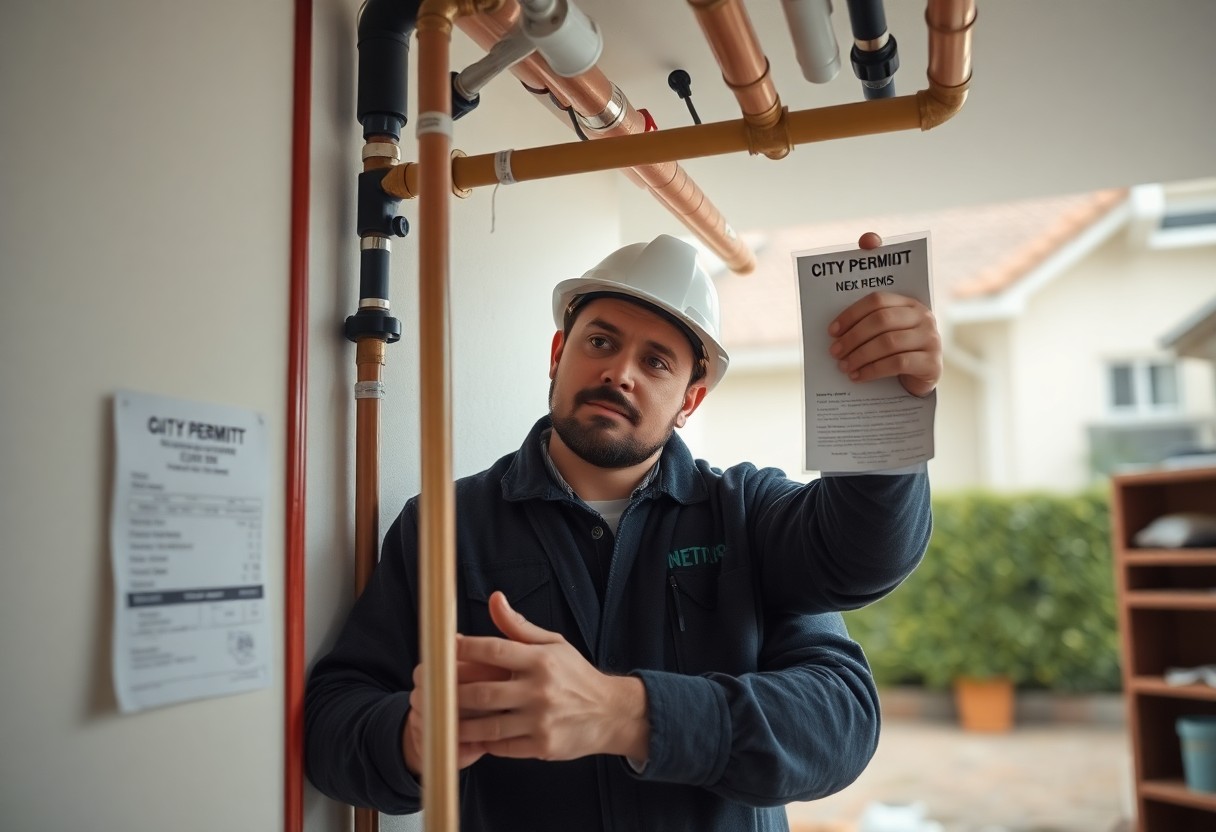
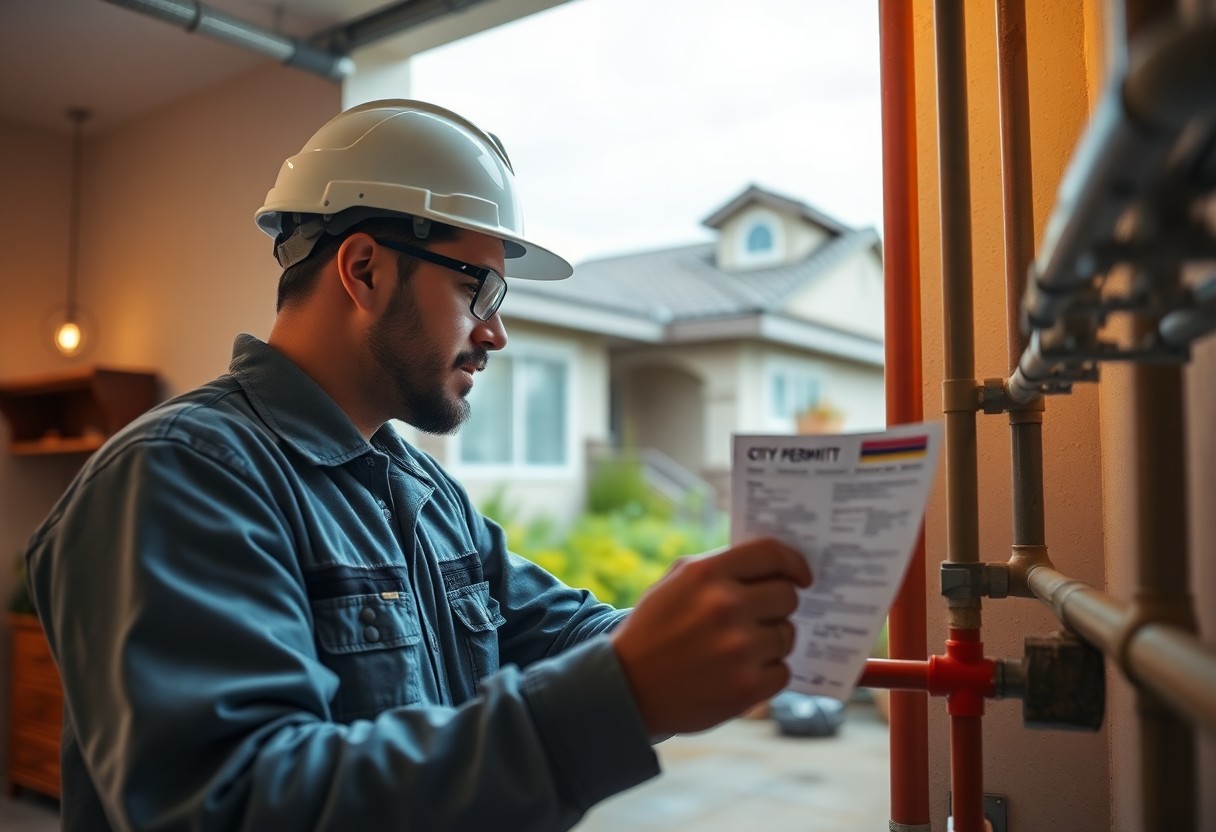
Repiping your home in Placentia requires adherence to local building codes and regulations. Whether you choose PEX or copper for your repiping project, obtaining the proper permits is crucial to ensure the work complies with city standards. Oversights in permit processes can lead to significant delays and unexpected costs. To streamline your repiping process, consider consulting experts like Repipe1: PEX & Copper Repiping in Orange County, CA.
Navigating Local Building Codes
Understanding the specific building codes in Placentia can be challenging. Many regulations are specific to plumbing materials, installation methods, and safety standards. Local building departments typically provide guidelines, but thorough research is necessary to avoid complications later in the project. Engaging with local contractors familiar with these codes can smooth the process, ensuring compliance from the onset.
Importance of Hiring Licensed Professionals
Hiring licensed professionals for your repiping project in Placentia not only guarantees quality work but also ensures that all regulations are met. Licensed plumbers possess detailed knowledge of local codes and can navigate the permitting process efficiently. Their expertise minimizes risks associated with plumbing work, such as leaks or compliance issues, leading to long-term satisfaction with your home’s piping.
By working with licensed professionals, you gain access to their experience, which can save you time and money. They understand the nuances of local regulations and can expedite inspections, allowing for a smoother process overall. Using unlicensed contractors may result in costly mistakes that could compromise your plumbing system, leading to expensive repairs and potential fines from the city. Prioritizing licensed expertise ensures your repiping project is executed correctly and efficiently.
Summing up
Conclusively, selecting the best materials for whole house repiping in Placentia, California, requires thoughtful consideration of your needs and budget. Opting for copper or PEX can offer durability and efficiency, while PVC is a cost-effective alternative for specific applications. Understanding your plumbing system’s demands will help you choose the right material that ensures longevity and reliability. It’s advisable to consult a professional to evaluate your situation, ensuring your investment provides the best value and comfort for your home. Your informed decision can lead to a more sustainable and effective plumbing system.
FAQ
Q: What are the best materials for whole house repiping in Placentia, California?
A: When repiping a home, the most common materials to consider are copper, PEX (cross-linked polyethylene), and CPVC (chlorinated polyvinyl chloride). Copper is known for its durability and resistance to corrosion, making it a popular choice for plumbing systems. PEX is flexible and easier to install, which can save on labor costs, and it is also resistant to scale and chlorine. CPVC is another viable option that is cost-effective and easy to work with, but it may not be as durable as copper in the long term. Ultimately, the best material will depend on the specific needs of your home, budget, and local building codes.
Q: What factors should I consider when choosing repiping materials?
A: When opting for materials for repiping, consider durability, cost, ease of installation, and suitability for the local climate. Durability is important to minimize future repairs, while cost will affect your overall budget. Ease of installation can influence labor costs and time to complete the project. Additionally, in a region like Placentia with varying weather conditions, it’s vital to choose materials that can withstand temperature changes and are resistant to potential issues like corrosion or freezing.
Q: How can I decide between copper and PEX for my repiping project?
A: Both copper and PEX have their advantages, and the choice often comes down to specific project requirements. Copper offers a long lifespan and excellent resistance to bacteria, which is beneficial for drinking water systems. However, it can be relatively expensive and requires professional installation. PEX, on the other hand, is generally more affordable, easier to install due to its flexibility, and can handle extreme temperatures without bursting. Consider your budget, the layout of your plumbing system, and whether you prefer the long-term reliability of copper or the ease and adaptability of PEX when making your decision.